Charcoal Types Briquette vs Lump for Grilling and Smoking

When it comes to grilling and smoking, the choice of charcoal can significantly impact flavor, burn time, and cooking technique. Many enthusiasts often find themselves torn between using lump charcoal and briquettes. Each type has its own unique properties and applications, making understanding their differences crucial for achieving the best results in your outdoor cooking endeavors.
In this article, we’ll dive deep into the characteristics of lump charcoal and briquettes, helping you determine which is best suited for your grilling and smoking needs. We’ll explore their pros, cons, and the best practices for using each.
Table of Contents
- Understanding Lump Charcoal and Briquettes
- Characteristics of Lump Charcoal
- Characteristics of Briquette Charcoal
- Comparing Burn Times: Lump vs. Briquettes
- Health Considerations: Is Lump Charcoal Healthier?
- Mixing Lump Charcoal with Briquettes
- Best Uses for Each Type of Charcoal
- Choosing the Right Charcoal for Your Needs
- Conclusion: Enhancing Your Grilling Experience
Understanding Lump Charcoal and Briquettes
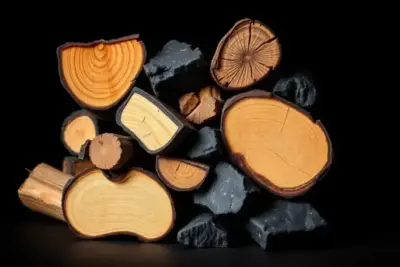
Lump charcoal is made from pure wood that has been charred in the absence of oxygen, resulting in larger pieces that burn hotter and faster. On the other hand, briquettes are manufactured from a mixture of wood byproducts, binders, and additives, leading to a more uniform size and shape. This fundamental difference in composition affects performance, flavor, and cooking techniques.
Characteristics of Lump Charcoal
- High Heat: Lump charcoal typically burns hotter than briquettes, making it ideal for high-temperature cooking like searing steaks.
- Natural Flavor: Since it's made from pure wood, lump charcoal imparts a more authentic smoky flavor to your food.
- Quick Lighting: It ignites faster than briquettes, allowing you to start cooking sooner.
- Variable Burn Time: While it burns hotter, the burn time can be shorter and less consistent than briquettes.
- Less Ash: Produces less ash, making cleanup easier.
Characteristics of Briquette Charcoal
- Consistent Temperature: Briquettes offer a more stable and longer-lasting heat, which is perfect for low and slow cooking methods.
- Additives: Often contain fillers and additives that can affect flavor but help maintain shape and burn efficiency.
- Longer Burn Time: They generally burn longer than lump charcoal, making them a good choice for extended cooking sessions.
- Uniform Size: Their uniformity allows for predictable cooking times and easier stacking.
- More Ash Production: Briquettes leave more ash, which can require more cleanup.
Comparing Burn Times: Lump vs. Briquettes
When considering burn time, briquettes usually have an advantage. The additives in briquettes help them sustain a consistent temperature for a longer duration. In contrast, while lump charcoal ignites quickly and burns hotter, its burn time can be shorter and less predictable. Here’s a quick comparison:
| Type | Burn Time | Temperature |
|---|---|---|
| Lump Charcoal | Shorter, 1-2 hours | Higher, 700°F+ |
| Briquette Charcoal | Longer, 3-4 hours | Moderate, 500°F-600°F |
Health Considerations: Is Lump Charcoal Healthier?
When questioning the health implications of lump charcoal versus briquettes, it’s essential to consider the additives. Lump charcoal, being composed of pure wood, has no chemicals and is often considered the healthier choice. Briquettes, however, may contain binders and other substances that some users prefer to avoid.
Mixing Lump Charcoal with Briquettes
Many grilling enthusiasts wonder if it's possible to mix lump charcoal with briquettes. The answer is yes! Combining both can yield a balanced approach, utilizing the quick ignition of lump charcoal while benefiting from the long burn time of briquettes. This hybrid method can optimize the best features of both types.
Best Uses for Each Type of Charcoal
Choosing between lump charcoal and briquettes often depends on the cooking method:
- For Grilling: Lump charcoal is usually preferred for direct grilling due to its high heat and quick ignition.
- For Smoking: Briquettes are favored for smoking as they maintain a steady temperature over an extended period.
- For Searing: Use lump charcoal when searing meats to achieve that perfect crust.
- For Long Cooks: Opt for briquettes when you're planning a long cooking session, like with briskets or pork shoulders.
Choosing the Right Charcoal for Your Needs
Ultimately, the choice between lump charcoal and briquettes will depend on your individual grilling style and preferences. Here are a few questions to consider when making your decision:
- What type of flavor do you want to impart to your food?
- How long do you plan to cook?
- What temperatures will you be working with?
- Are you concerned about additives in your charcoal?
Conclusion: Enhancing Your Grilling Experience
Understanding the differences between lump charcoal and briquettes can greatly enhance your grilling and smoking experience. By choosing the right type based on your cooking needs, you can achieve excellent flavors and results, transforming your outdoor cooking into a culinary delight.
If you want to know other articles similar to Charcoal Types Briquette vs Lump for Grilling and Smoking you can visit the category Charcoal.
More embers