

Indirect cooking techniques for Weber grills
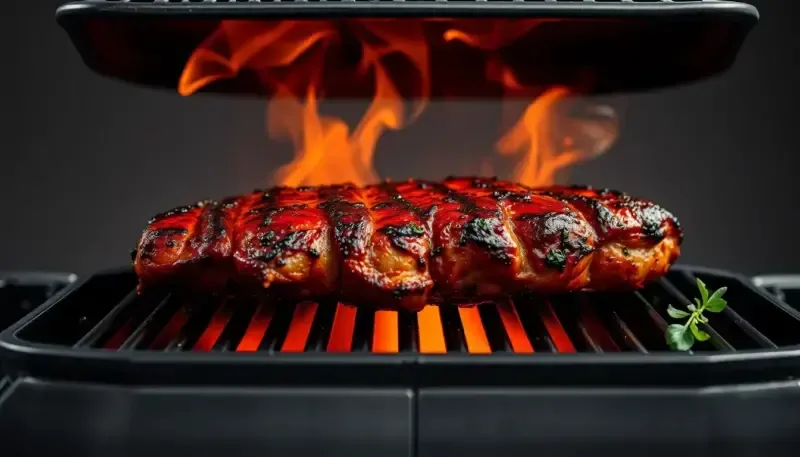
Cooking with a Weber grill opens up a world of possibilities for grilling enthusiasts. One of the most effective techniques is indirect cooking, which allows you to prepare a variety of dishes, from briskets to vegetables, with consistent heat and exceptional flavor. In this article, we’ll delve into the nuances of indirect cooking on a Weber grill, exploring different configurations, techniques, and tips for achieving the best results.
Table of Contents
- Understanding indirect cooking on a Weber grill
- Setting up indirect cooking on a Weber gas grill
- Types of Weber gas grills and their configurations
- Indirect cooking on a Weber charcoal grill
- Weber indirect cooking times
- When to use indirect grilling
- Essential accessories for indirect cooking on a Weber grill
- Common mistakes to avoid while indirect grilling
- Tips for perfecting your indirect cooking technique
Understanding indirect cooking on a Weber grill
Indirect cooking is a technique that involves placing food away from the direct heat source, allowing it to cook evenly and gently. This method is particularly useful for larger cuts of meat, which require longer cooking times. By utilizing this technique, you can prevent the exterior from burning while ensuring that the interior reaches the desired temperature.
When using a Weber grill, the design allows for versatile cooking options. The grill's lid traps heat and smoke, mimicking an oven environment, which is ideal for this method. Here’s how it works:
- Heat is generated on one side of the grill, while the food is placed on the other side.
- The lid is closed, creating an enclosed cooking environment.
- As the heat circulates, it cooks the food evenly from all sides.
Setting up indirect cooking on a Weber gas grill
Setting up indirect cooking on a Weber gas grill is straightforward. Here’s a step-by-step guide:
- Preheat the grill: Turn on the burners on one side of the grill and preheat it to the desired cooking temperature.
- Prepare the food: Season your food and place it on the opposite side of the grill, away from the flames.
- Close the lid: This will help maintain the temperature and circulate heat effectively.
- Monitor the temperature: Use a meat thermometer to ensure your food reaches the appropriate internal temperature.
Types of Weber gas grills and their configurations
Different configurations of Weber gas grills can impact how you utilize indirect cooking. Here are the common types:
- 2-Burner Grills: These models typically allow for simple indirect cooking by turning on one burner and placing food on the other side.
- 3-Burner Grills: These provide more flexibility, allowing you to use one or two burners for indirect heat while cooking larger items.
- 4-Burner Grills: These grills are ideal for cooking multiple dishes at once, providing extensive indirect cooking options.
Indirect cooking on a Weber charcoal grill
For those who favor charcoal, indirect cooking can be equally effective. The process involves arranging the charcoal to create a two-zone fire:
- Prepare the charcoal: Light the charcoal and allow it to ash over.
- Arrange the coals: Place them on one side of the grill, leaving the other side empty for indirect cooking.
- Add wood chips: For added flavor, consider adding wood chips to the hot coals.
- Place the food: Set the food on the cooler side of the grill and close the lid.
Weber indirect cooking times
Understanding cooking times is crucial for achieving perfect results. Here’s a general guide for various foods:
| Food Item | Cooking Time | Internal Temperature |
|---|---|---|
| Whole Chicken | 1.5 - 2 hours | 165°F (74°C) |
| Brisket | 6 - 8 hours | 195°F - 205°F (90°C - 96°C) |
| Pork Ribs | 4 - 5 hours | 190°F (88°C) |
When to use indirect grilling
Indirect grilling is particularly beneficial for:
- Larger cuts of meat: Such as roasts, whole chickens, or briskets.
- Delicate foods: Like fish or vegetables that may burn easily over direct heat.
- Long cooking times: When you need to maintain a consistent temperature for several hours.
Essential accessories for indirect cooking on a Weber grill
To enhance your indirect cooking experience, consider adding these accessories:
- Heat deflectors: These help distribute heat evenly and protect food from direct flames.
- Drip pans: Useful for capturing drippings, which can be turned into sauces or gravy.
- Meat thermometers: To monitor internal temperatures accurately without opening the lid.
Common mistakes to avoid while indirect grilling
To maximize your grilling success, here are some pitfalls to avoid:
- Not preheating the grill: This can lead to uneven cooking.
- Opening the lid too frequently: Each time the lid is opened, heat escapes, prolonging cooking times.
- Ignoring temperature guidelines: Always use a thermometer for best results.
Tips for perfecting your indirect cooking technique
Here are some additional tips to enhance your indirect cooking skills:
- Experiment with wood flavors: Different wood types can impart unique flavors to your food.
- Rest the meat: Allowing meat to rest after cooking helps juices redistribute.
- Be patient: Good things take time; don’t rush the process.
Learning to master indirect cooking on a Weber grill can elevate your outdoor cooking game. Whether you’re preparing a family dinner or hosting a backyard barbecue, this technique ensures that your meals are cooked to perfection, bursting with flavor and tenderness.
For more grilling tips and recipes, connect with the community on social media or visit various grilling blogs that focus on enhancing your culinary skills.
If you want to know other articles similar to Indirect cooking techniques for Weber grills you can visit the category BBQ Techniques.


More embers