
Whole Hog Cooking Guide for Competition Style Events
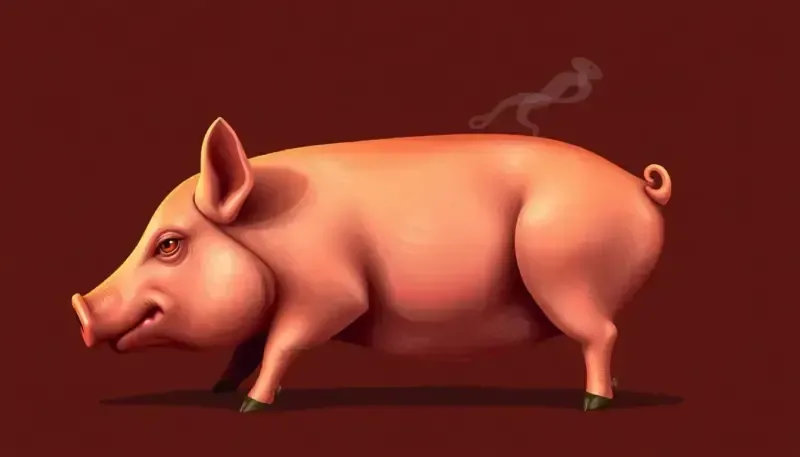
Cooking a whole hog is an art that combines tradition, skill, and a bit of science. Whether you're planning a backyard barbecue, a festival, or a competition, mastering this technique can elevate your culinary game. In this article, we will delve into the intricacies of whole hog cooking, exploring methods, styles, and tips that not only guarantee flavor but also impress your guests. Let's embark on this delicious journey!
Table of Contents
Understanding whole hog cooking
Whole hog cooking is a time-honored method that involves roasting an entire pig, often used in Southern barbecue traditions. This cooking style allows for a variety of flavors and textures, as different cuts of meat can be enjoyed simultaneously.
The process requires careful planning and execution, making it essential to understand the nuances of temperature control, seasoning, and cooking techniques. Additionally, this method can be a social event, bringing together friends and family to enjoy the fruits of your labor.
Here are some key aspects to consider:
- Meat Quality: The quality of the hog plays a crucial role in the final flavor. Look for a hog that is well-marbled and fresh.
- Preparation: Properly preparing the hog involves cleaning, seasoning, and sometimes marinating to ensure maximum flavor.
- Cooking Method: The method of cooking—whether indirect heat, direct heat, or smoking—affects the outcome significantly.
Popular cooking styles for whole hog
Several barbecue styles are renowned for their approach to whole hog cooking. Understanding these can help you choose the best method for your event.
Some of the most popular styles include:
- Carolina Style: Famous for its vinegar-based sauces, this style often involves cooking the hog slowly over indirect heat, giving it a unique tangy flavor.
- Memphis Style: Known for its dry rubs and pulled pork, Memphis style emphasizes the meat's natural flavors, often serving it without sauce.
- Tennessee Style: This approach combines elements of both Carolina and Memphis styles but often features a sweeter tomato-based sauce.
The best way to cook a whole hog
The key to cooking a whole hog lies in understanding the equipment and techniques involved. Here are steps to guide you through the process:
- Selection: Choose a hog weighing between 100-200 pounds for optimal results.
- Equipment: Consider using a pit, smoker, or even a grill designed for whole hog cooking.
- Seasoning: Apply a dry rub or marinade at least 12 hours before cooking for enhanced flavor.
- Temperature Control: Maintain a consistent cooking temperature of around 225-250°F (107-121°C).
- Cooking Time: Plan for approximately 1 hour of cooking time per 10 pounds of hog.
- Resting: After cooking, let the hog rest for at least 30 minutes to allow the juices to redistribute.
Common mistakes in whole hog cooking
Even experienced cooks can make mistakes when preparing a whole hog. Here are some common pitfalls to avoid:
- Inadequate Preparation: Failing to properly season or prepare the hog can lead to bland meat.
- Poor Temperature Management: Fluctuating temperatures can dry out the meat or result in uneven cooking.
- Skipping the Resting Period: Cutting into the hog too soon can result in a loss of juices.
How many people will a 100 lb hog feed?
When planning a gathering, it's essential to estimate how many people a whole hog can feed. A general rule of thumb is:
- A 100 lb hog typically serves approximately 50-70 people.
- Consider the serving size: about 1/3 to 1/2 pound of cooked pork per person is standard.
Thus, if you are hosting a large event, adjust the size of the hog accordingly to ensure everyone is well-fed.
Cooking a whole hog for competition
If you're entering a barbecue competition, the stakes are even higher. Here are some expert tips:
- Practice: Familiarize yourself with the cooking process before the competition day.
- Flavor Profile: Develop a signature seasoning or sauce that highlights your hog's unique taste.
- Presentation: The visual appeal of the hog can influence judges, so pay attention to plating.
Resources for mastering the art of whole hog cooking
To further enhance your skills, consider exploring the following resources:
- BBQ University - Offers classes on various barbecue techniques.
- Cooking Channel - Features recipes and tutorials from renowned chefs.
- Smoking Meat - A community dedicated to smoking techniques and recipes.
By understanding the nuances of whole hog cooking and avoiding common mistakes, you can impress your guests with a succulent and flavorful feast that showcases your skills. Whether for a family gathering or a competition, the ability to cook a whole hog will undoubtedly elevate your culinary reputation.
If you want to know other articles similar to Whole Hog Cooking Guide for Competition Style Events you can visit the category BBQ GUIDES.

More embers